Indoor plants and clean air: what actually works at home
Airleaf home team · · 5 min read
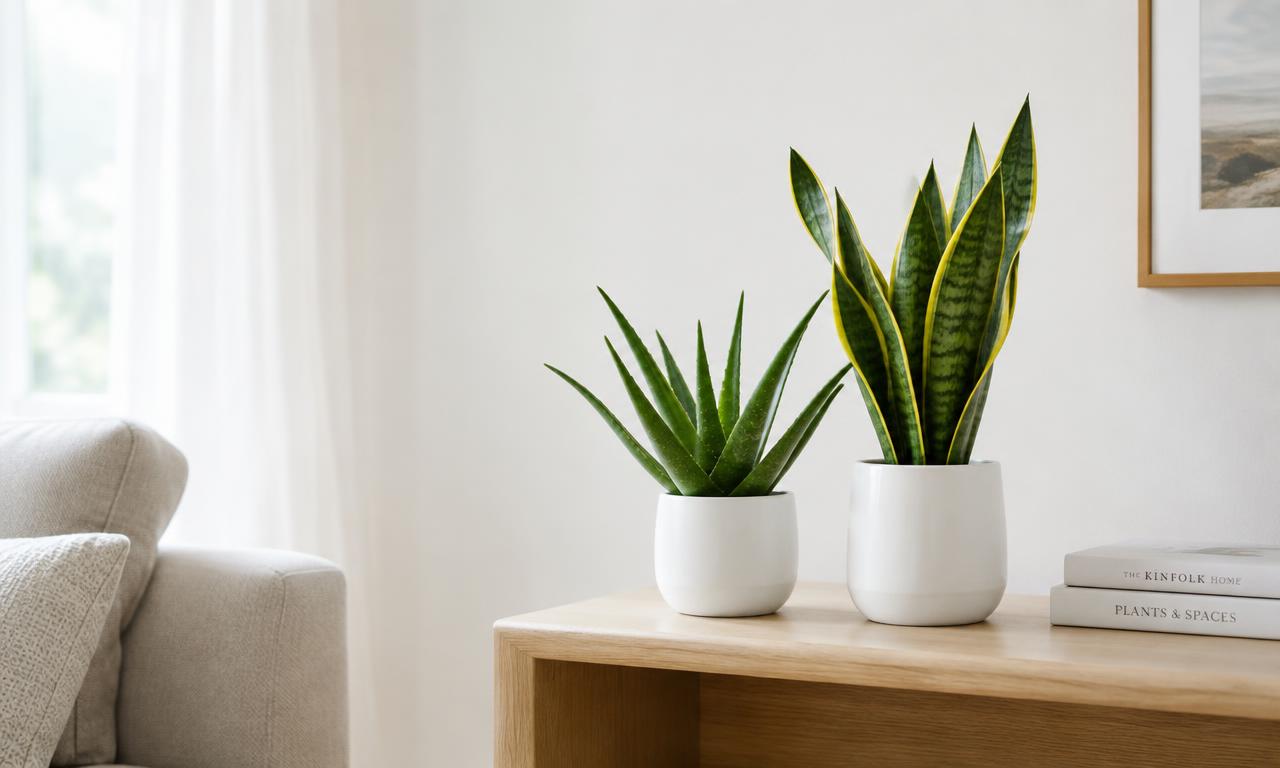
The claim that a few houseplants purify a room traces back to a 1989 NASA experiment run in sealed chambers. It was real science, but a living room is not a sealed chamber — and the honest answer is more interesting than the myth.
What the famous study did and did not show
NASA tested whether plants could strip volatile organic compounds from the air of closed spacecraft. They could, in a sealed box, over hours.
Later analysis showed that reproducing that effect in a normal room would take an implausible number of plants per square metre, because ordinary ventilation exchanges air far faster than leaves can process it. Open a window and you outperform a jungle.
The benefits that do hold up
Plants measurably raise local humidity, which helps in dry heated or air-conditioned rooms. And the psychological evidence is consistent: greenery in a workspace is associated with lower stress, better attention and higher reported wellbeing.
So keep the plants — just pair them with ventilation and, in high-PM2.5 cities, a HEPA filter.
Four that are genuinely hard to kill
If you want plants that survive a busy household, start here.
- Snake plant — tolerates low light and a month between waterings
- Aloe vera — bright indirect light, water only when the soil is dry through
- Peace lily — visibly droops when thirsty, which makes it forgiving
- Money plant (pothos) — grows in water or soil, trims back happily
The three rules of not killing them
Overwatering kills more houseplants than neglect. Check the top few centimetres of soil with a finger before reaching for the can.
Match light honestly — a plant labelled 'low light' means it tolerates shade, not that it thrives there. And wipe dust off leaves every few weeks so they can breathe.
Put it into practice
See the canopy and air quality of your own street, then plant what it's missing.
Analyse my area →