The Airleaf Journal
Field notes on trees, air and the cities in between
Plain-language, research-backed writing on why canopy cover matters, how to read an AQI number, and how to plant something that is still alive in five years.
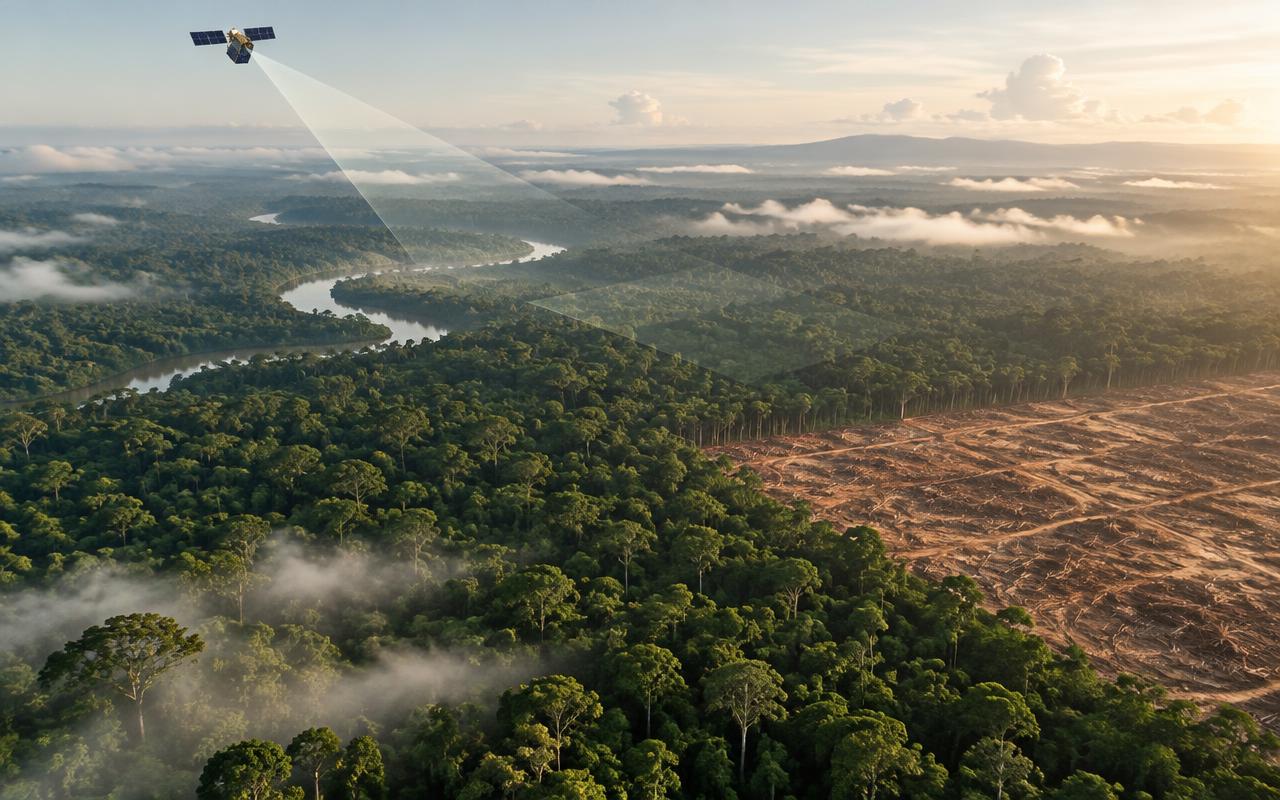
How satellites track deforestation and urban tree loss
No one is walking every street with a clipboard. Here is how Sentinel-2, Landsat and NDVI actually turn raw satellite pixels into a canopy percentage.
Read the article →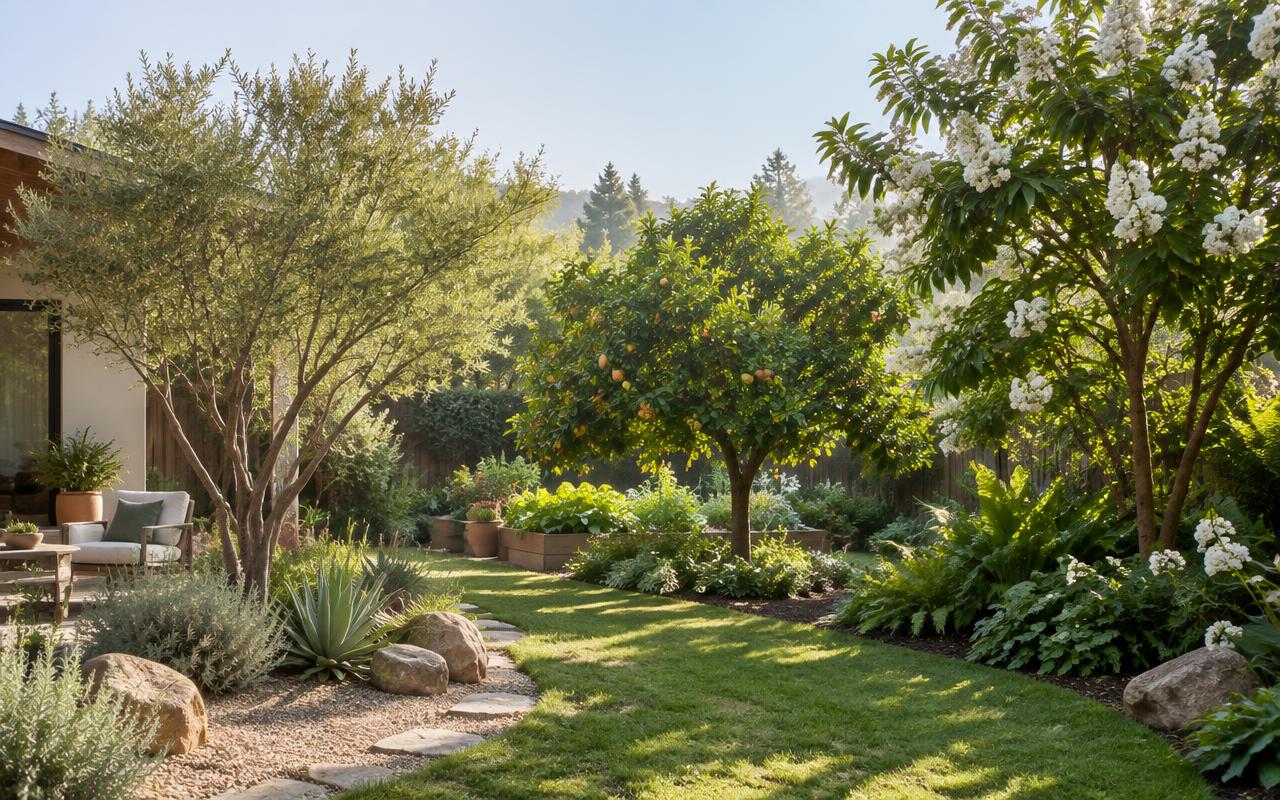
Best trees to plant in your backyard, by climate
The right tree for a cold, wet garden is the wrong tree for a hot, dry one. A practical starting point for choosing by climate, not by what looked nice at the nursery.
Read →
Carbon offsets vs tree planting: what's actually different
Buying an offset and funding a planted, verified tree are not the same transaction. Here is the honest difference, including where offset markets have genuinely struggled.
Read →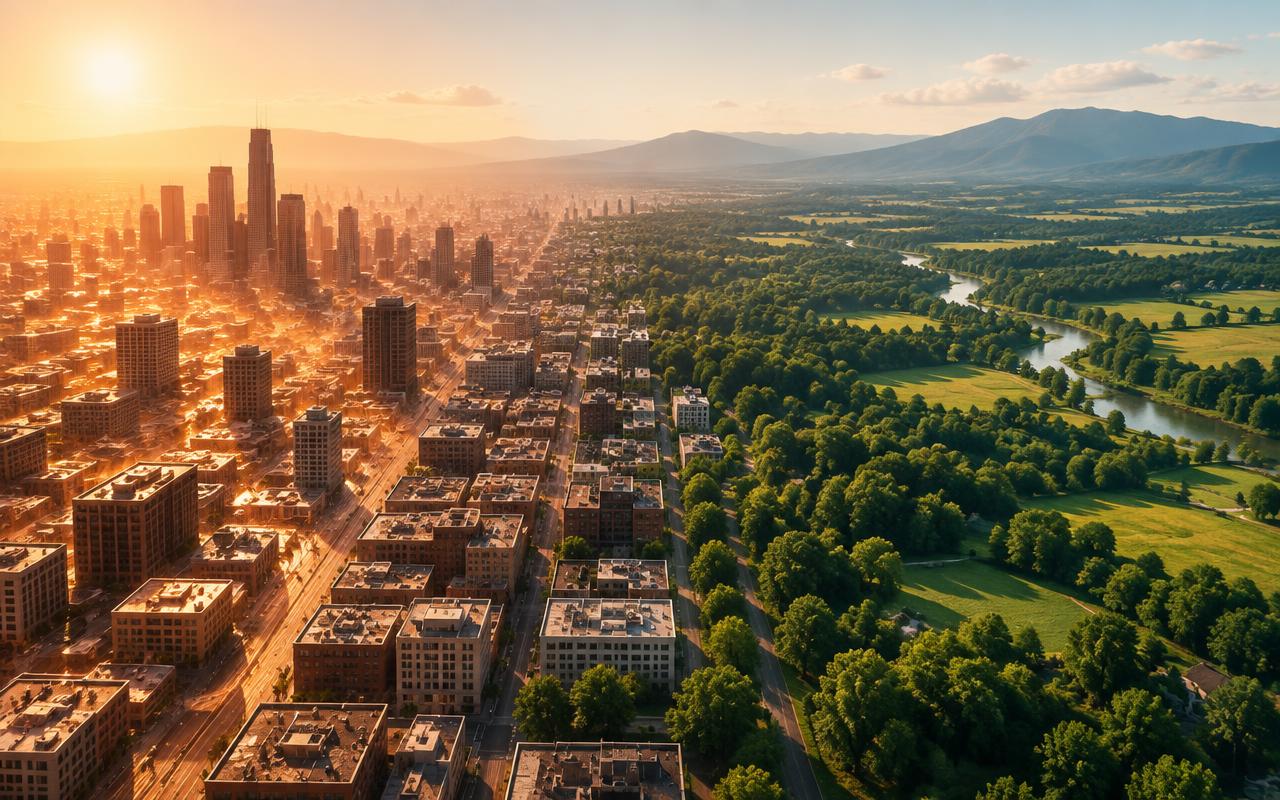
The urban heat island effect: why cities run hotter than the countryside
Concrete, asphalt and glass turn cities into their own weather system. Here is how many degrees hotter that actually means, and why canopy is the cheapest fix.
Read →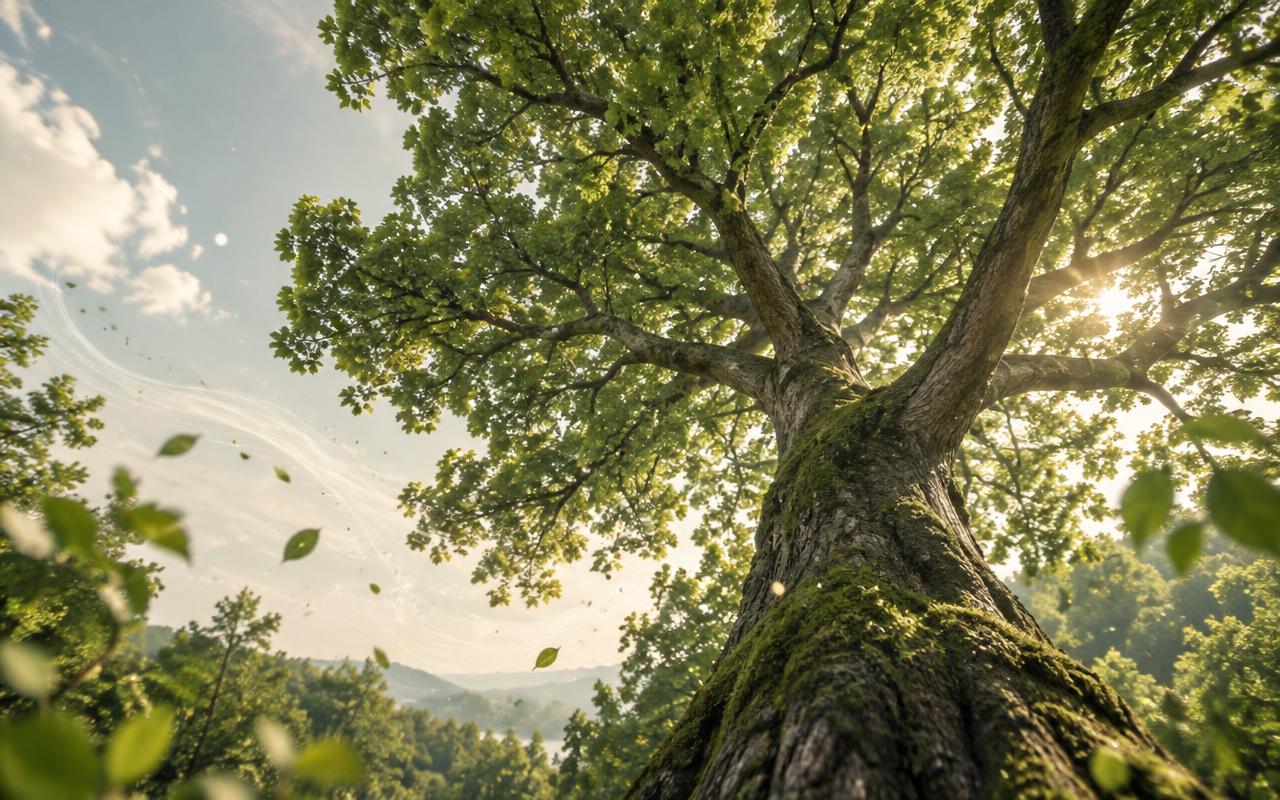
How much CO2 does a tree actually absorb per year?
The '48 pounds a year' figure gets quoted everywhere. Here is where it comes from, why it is mostly wrong for any specific tree, and how to think about it honestly.
Read →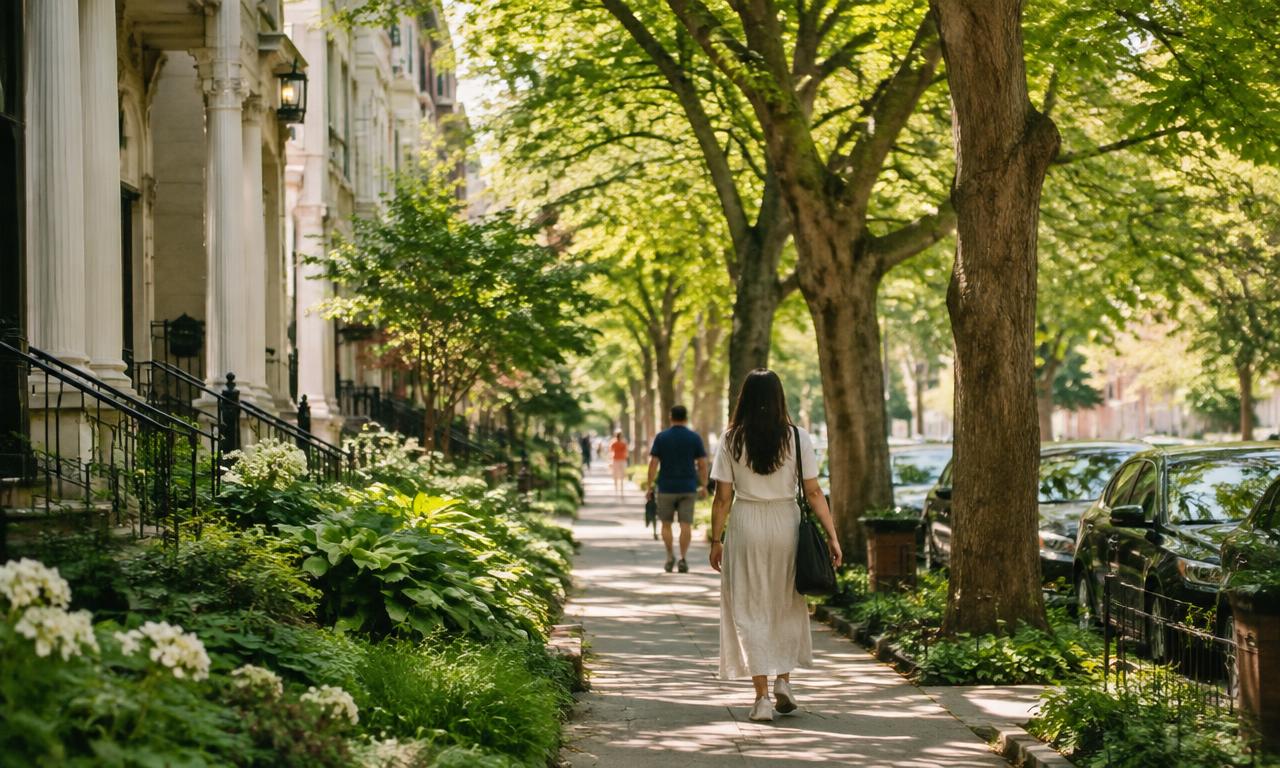
How many trees does a city actually need?
The 3-30-300 rule, the 30% canopy target and the simple maths Airleaf uses to turn a map circle into a planting number.
Read →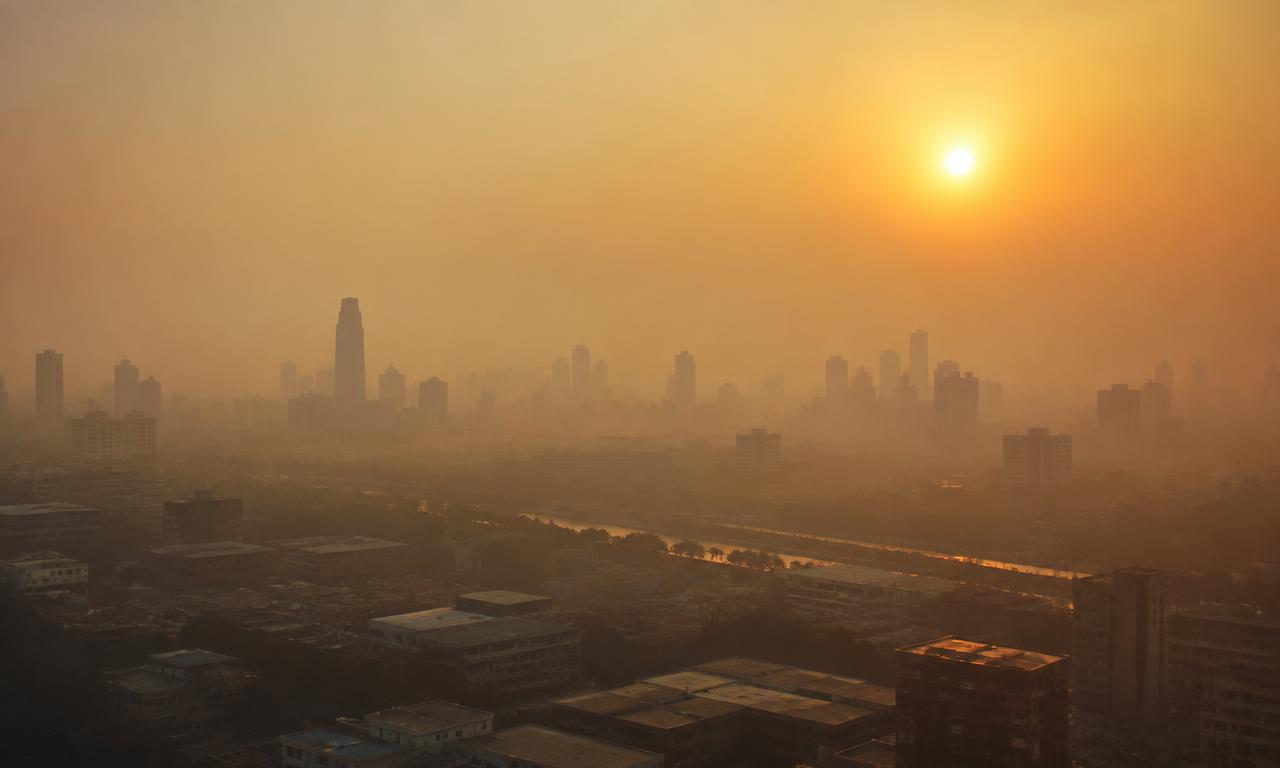
Reading AQI properly: what PM2.5 is really telling you
AQI 150 does not mean 150 of anything. Here is what the index measures, why PM2.5 dominates it, and what to do at each band.
Read →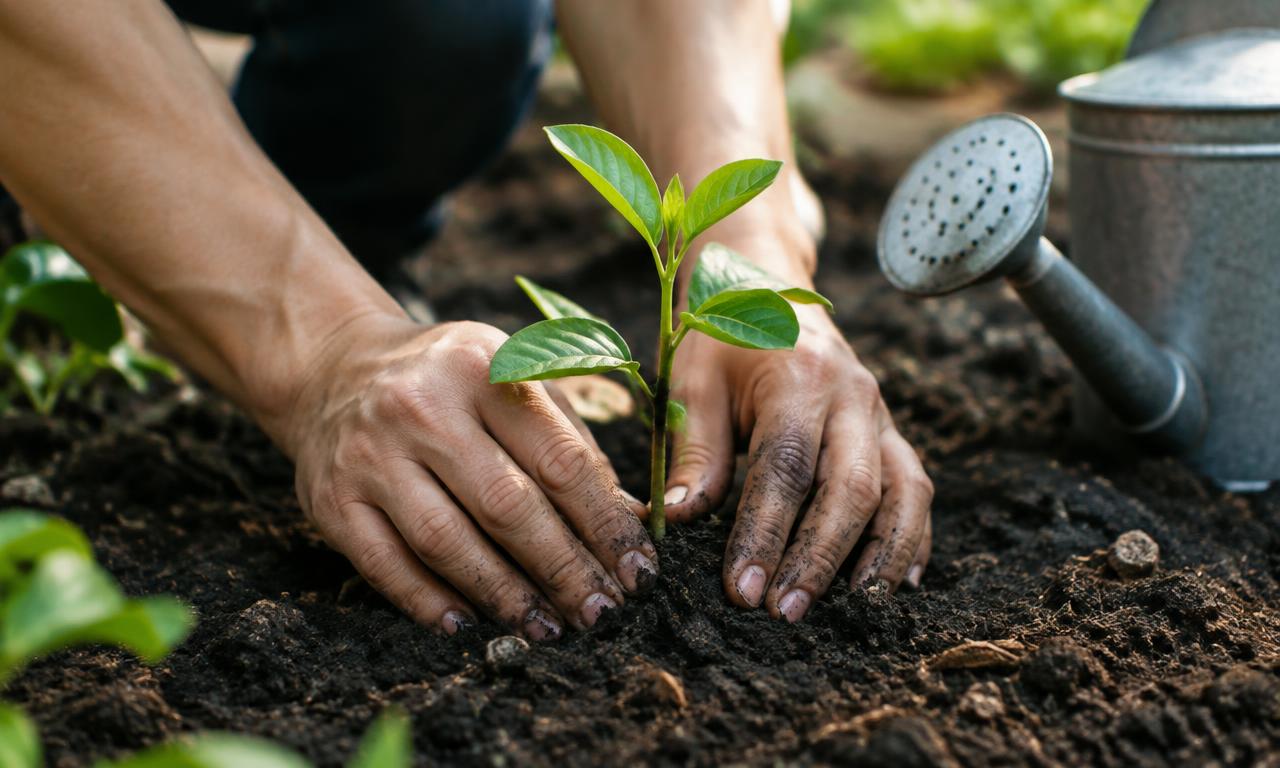
How to plant a tree that is still alive in five years
Most planting failures happen in the first two summers. Species choice, pit depth, mulch and a watering plan decide the rest.
Read →
Indoor plants and clean air: what actually works at home
Aloe, snake plant and peace lily are genuinely good houseplants — here is the honest version of what they do for your air.
Read →Reading is step one. Planting is step two.
Check your own neighbourhood's canopy and air quality, then plant the trees it is missing — we handle the sapling, the planting and a year of care.